
Fan zones and sports lounges need seating that can be installed fast, handle longer dwell time, and still ship efficiently. That is why many B2B buyers now compare a compressed sofa program through real compressed sofa in a box, compressed sofa bed, sofa in a box compressed, and compressed foam sofa data instead of selecting only by showroom appearance. For wholesalers, hotel groups, and commercial lounge operators, the practical value comes from dimensions, packing stability, material selection, and container-loading control.
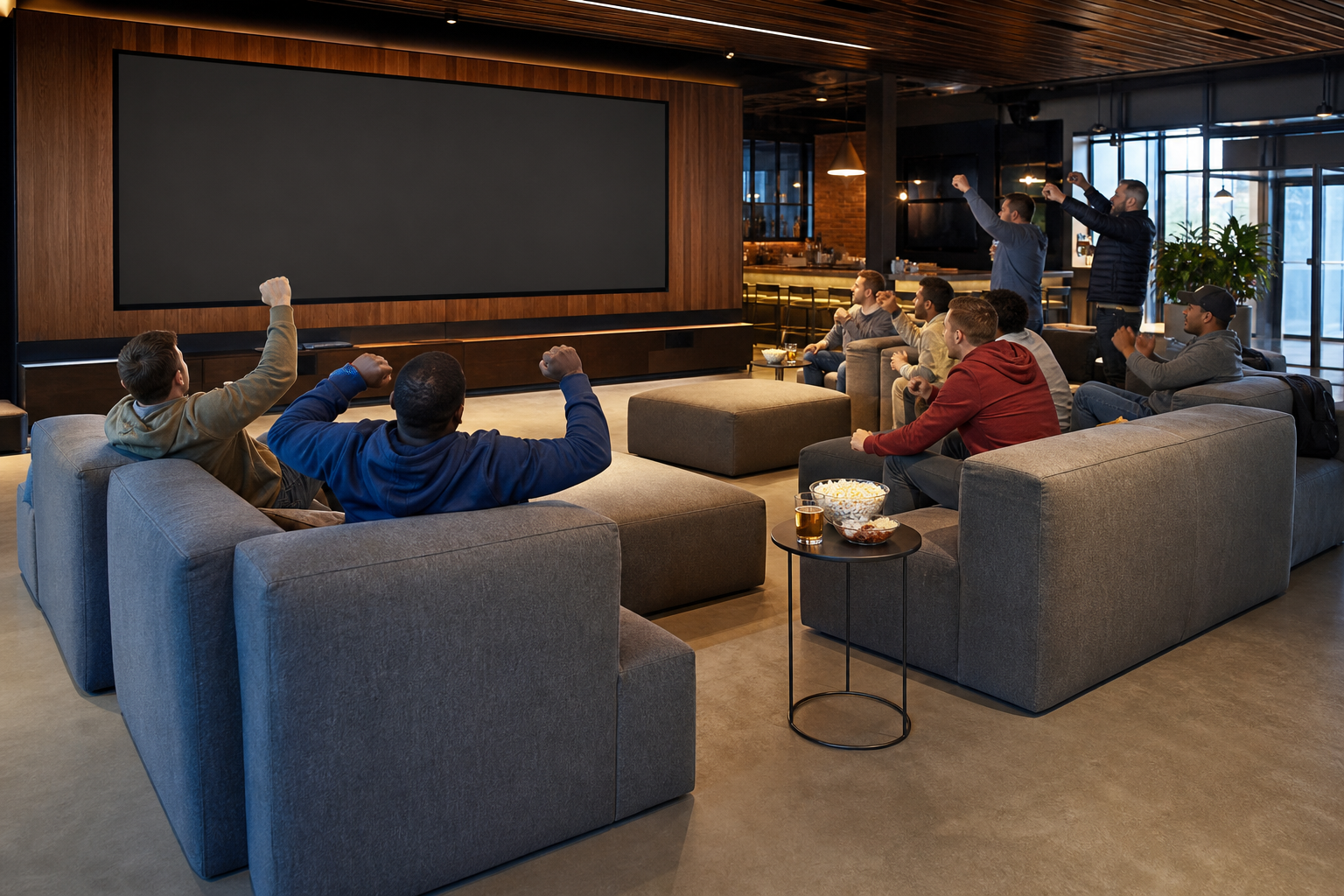
Sports lounges need layout flexibility without freight waste
A fan zone usually has more than one seating task. The main viewing wall needs enough seats for group watching, side areas need smaller modules for circulation, and some hospitality projects want convertible seating for VIP or overflow use. The live compressed sofa collection is useful because it lets buyers keep those functions inside one export program instead of mixing unrelated local-market sofas.
For B2B planning, that matters because the project is rarely just one room. A buyer may be sourcing for:
- a hotel sports lounge for football-season traffic
- a bar-adjacent fan viewing area
- a serviced-apartment clubhouse
- a wholesale program for regional lounge dealers
When the same supplier can support several seating formats with compressed packing, the buyer gains more control over mixed-model orders, storage, and freight.
Real product parameters show where a large viewing zone starts
For the main group-viewing section, the compressed sofa L-shape fabric sectional gives a practical benchmark because the product information is already specific enough for procurement review:
- model: YS028
- upholstery: fabric
- filling: sponge with D35 seat foam
- structure: L-shape sectional with straight arms and back cushions
- packed size: 55 x 55 x 112 cm
- gross weight: 69 kg
- packing method: mail packing and vacuum-compressed export packing
- shipping effect: about 60% CBM reduction versus conventional assembled sofas
- loading reference: up to 2.5 times more units per 40HQ
- rebound target: at least 95% within 72 hours
Those numbers fit fan-zone planning because buyers can compare seat comfort and freight density together. D35 seat foam supports longer sitting time, while the packed-size data gives warehouse teams and importers a usable starting point for pallet, shelf, and container calculations.
Smaller lounge modules solve circulation and overflow seating
Many sports lounges fail because every seat is oversized. The compressed sofa corduroy lounge module is a better reference for side zones and flexible corners because it is built around lounge proportions rather than full sectional scale:
- size options: 85 x 85 x 40 cm and 85 x 130 x 40.6 cm
- upholstery: wide-wale corduroy
- seat style: deep channel tufting with low-profile lounge proportions
- packing logic: vacuum-compressed shipping
- shipping claim: about 60% CBM reduction
- loading reference: up to 2.5 times more units per 40HQ
- rebound target: at least 95% within 72 hours
That module works well in fan zones because it helps buyers create group clusters near the screen while keeping walk paths open for guests, servers, and cleaning teams. For wholesalers, the lower-profile format also broadens the resale use case into clubs, apartment lounges, and media rooms instead of only one hospitality layout.
Sleeper-capable seating can support VIP or dual-use lounge plans
Some sports-lounge projects also need seating that can shift into guest-room overflow, private cinema rooms, or serviced-apartment hospitality use. The LS1016 folding sofa bed adds that dual-use logic with concrete packing data:
- product size: 200 x 85 x 70 cm
- lying-flat size: 200 x 215 x 70 cm
- packing size: 112 x 34 x 35 cm
- material: checked velvet fabric
- gross weight: 29.5 kg per carton
- packing quantity: 1 piece per carton
- carton volume: 0.133 CBM
- estimated loading quantity: 503 units per 40HQ
- MOQ: 500 units
- lead time: about 45 days
This is relevant for fan zones because a project owner may want one seating family that can cover a commercial lounge plus nearby suites or apartment units. The sofa-bed option gives more operational flexibility without forcing the buyer to leave the compressed-shipping lane.
Material choice matters because sports lounges see heavier daily use
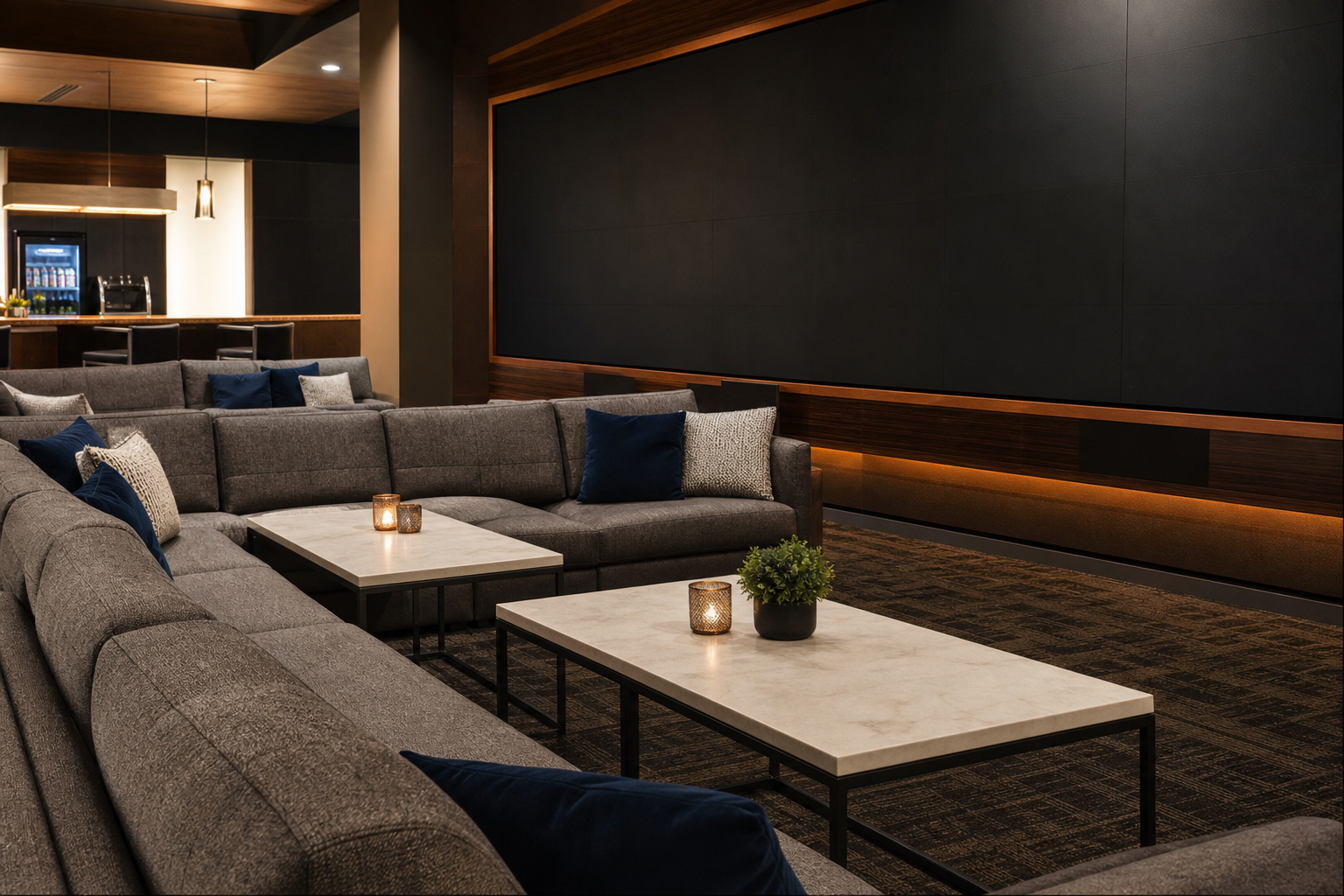
A lounge article is not useful if it ignores materials. YS028 uses fabric upholstery with D35 sponge seat foam. The lounge module uses wide-wale corduroy with deep tufting. LS1016 uses checked velvet over a sleeper structure. Those details matter because fan zones are usually higher-contact spaces than ordinary living rooms.
Procurement teams should ask the supplier to confirm:
- foam density and recovery timing after unpacking
- upholstery composition and abrasion suitability for commercial use
- seam and cover protection during vacuum compression
- whether spare fabric or color continuity is available for repeat orders
- carton-strength adjustments if custom fabric or branding changes the packed form
Without those checks, a buyer can end up with a sofa that looks correct in a quotation but performs poorly after repeated guest use or long-distance export handling.
Factory capability affects whether the lounge concept is repeatable
The OEM and ODM sofa manufacturing page matters because sports-lounge procurement often includes branding, carton marks, material changes, and mixed-model orders. MagiSofa indicates support around fabric and color selection, size adjustment with compression-feasibility review, logo labels, care labels, shipping marks, barcode labels, carton customization, and unpacking instructions.
That capability is important for B2B buyers because a fan-zone order is often only the first PO. If the initial program works, the same buyer may expand to:
- more hotel properties
- apartment clubhouse lounges
- franchise sports bars
- regional dealer replenishment
The supplier therefore needs factory processes that can repeat material standards, packing dimensions, and carton communication instead of improvising from one order to the next.
Container loading is where compressed seating proves its value
The container loading page should be part of the sourcing review before any purchase order is released. In lounge projects, freight savings are only real when the final SKU mix still loads efficiently after all seating, material, and branding choices are locked.
A practical loading review should confirm:
- final carton dimensions and gross weight for every approved model
- whether sectionals, lounge modules, and sleeper units can be mixed in one 20GP or 40HQ plan
- how much rebound time is needed after delivery before installation
- whether floor loading or pallet handling is better for the destination warehouse
- how protective packaging holds up through transshipment and project-site unloading
For buyers selling into the U.S. market, CPSC guidance should also stay in the compliance review path while the factory confirms upholstery labeling and safety communication.
Practical procurement advice for fan-zone and sports-lounge buyers
The safest buying sequence is to compare the lounge layout and the packing plan together. Start with the compressed sofa collection to shortlist large-format, modular, and sleeper-capable models. Then compare YS028, the corduroy module, and LS1016 on assembled size, packed size, material details, carton volume, MOQ, and expected rebound timing. After that, confirm OEM or ODM needs, review the final loading plan, and send the RFQ through the MagiSofa contact page.
For wholesalers and hospitality buyers, the best commercial result usually comes from asking the supplier for:
- exact packed dimensions by approved fabric and model
- loading photos or calculations for mixed-SKU containers
- rebound guidance for 24, 48, and 72 hours after unpacking
- private-label carton, barcode, and instruction support
- repeat-order controls for fabric, foam, and package consistency
Conclusion
Compressed sofas fit fan zones and sports lounges because they solve both seating performance and export efficiency at the same time. Large sectionals, flexible lounge modules, and sleeper-capable pieces can all work inside one sourcing program when buyers verify product parameters, materials, factory support, and container math before ordering.
If you are planning a football-season lounge, sports bar seating package, or fan-zone procurement program, review the MagiSofa range and contact MagiSofa for model recommendations, packing confirmation, and container-loading support.