
Football season often forces hotel buyers to convert a normal lounge into a guest viewing area without adding freight-heavy furniture. In this compressed sofa case study, the buyer goal is simple: keep the lounge comfortable for group watching, keep the cartons efficient for import, and keep the installation window realistic before the first high-traffic match period. Buyers comparing compressed sofa in a box, compressed sofa bed, sofa in a box compressed, and compressed foam sofa options still need to approve the same hard data: model size, foam construction, packaging volume, rebound timing, and factory execution support.
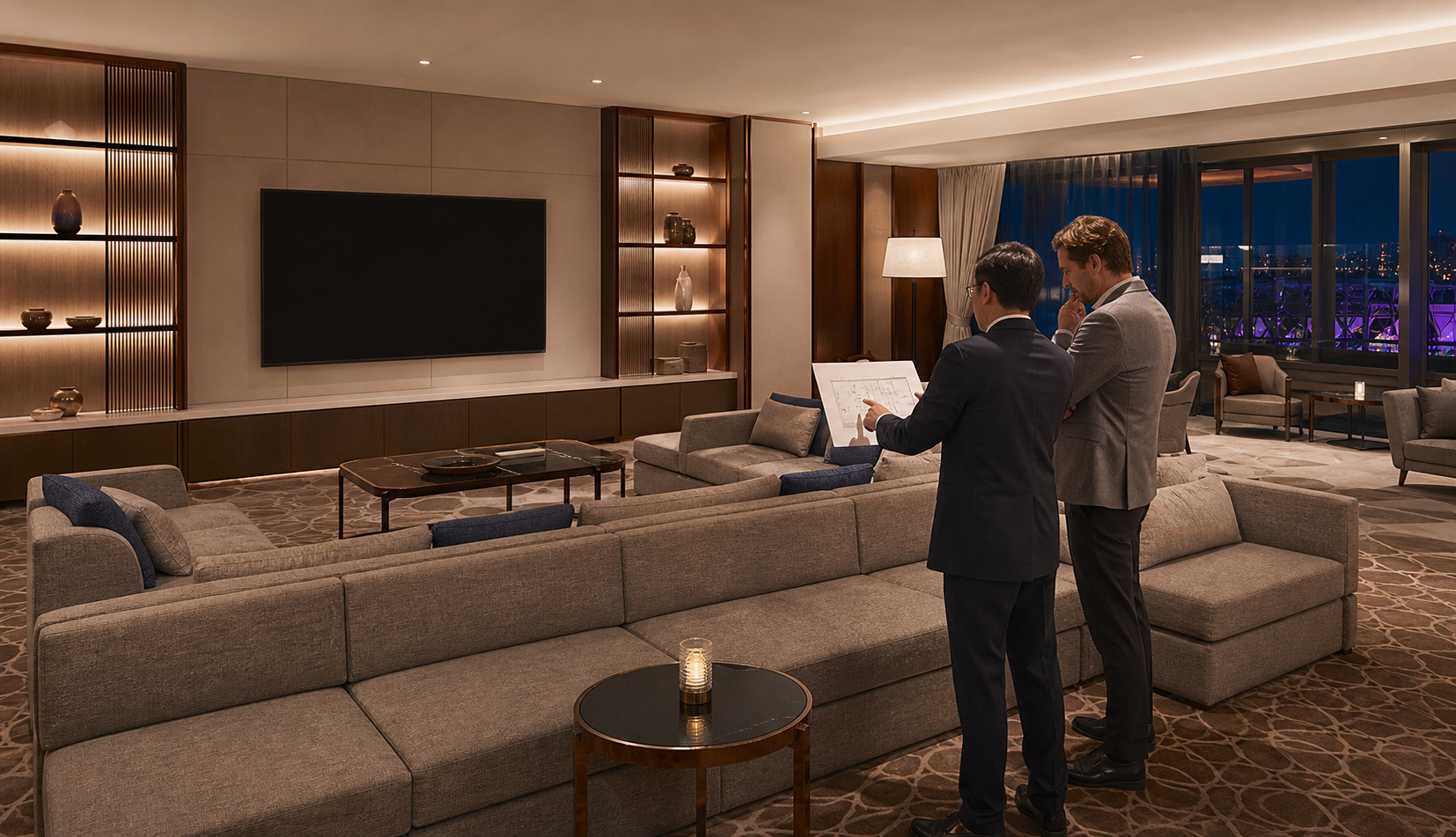
The project brief
This case follows a practical hotel-lounge sourcing scenario rather than a generic style article. The buyer needs one main sofa layout for a public viewing lounge, one compact modular option for side seating, and one sleeper-capable model for guest overflow or suite use. Instead of choosing by appearance first, the team starts with the live compressed sofa collection and builds the shortlist around shipping logic, recovery performance, and maintenance fit.
The collection-level sourcing signals already shape the plan:
- Standard MOQ is 500 units for the collection program.
- Sample orders are available for model review.
- Sample lead time is listed at 7 to 15 days depending on customization.
- Bulk lead time is typically 30 to 45 days after sample approval.
- Mixed-model orders are reviewed individually instead of being assumed.
That matters for football-season hotel buying because the lounge often has to open on a fixed date, while the buyer may still need two or three models in one shipment.
The main lounge model
For the primary viewing zone, the buyer selects the YS028 L-shape fabric sectional as the reference model. MagiSofa lists fabric upholstery, sponge filling, D35 seat foam, a cushion back, straight arms, and a concealed base. The published packed size is 55 x 55 x 112 cm, gross weight is 69 kg per packed unit, mail packing is supported, and the warranty is 3 years. Those are the kinds of parameters a hotel sourcing team can actually place into its RFQ comparison sheet.
For public lounge use, the sectional works because it gives a deeper group-seating profile without forcing the hotel into assembled-shipping volume. The product page also states a 60% CBM reduction versus conventional assembled sofas, up to 2.5x more units per 40HQ, and a rebound rate of at least 95% within 72 hours after unpacking. In this case study, those logistics numbers matter as much as the fabric finish because the hotel buyer is balancing arrival date, storage space, and guest-ready presentation.
The side-seating and overflow models
The buyer does not use one sofa type for every part of the project. For side seating in quieter corners of the viewing area, the compressed sofa corduroy lounge module becomes the second shortlisted model. It uses wide-wale corduroy upholstery with deep channel tufting and is offered in two practical sizes: 85 x 85 x 40 cm and 85 x 130 x 40.6 cm. That gives the project team a single-seat and loveseat-style option from one design family, which is useful when hotel lounge footprints vary between corners, window edges, and circulation zones.
For overflow sleeping or suite-level flexibility, the LS1016 folding sofa bed covers the third use case. Its standard product size is 200 x 85 x 70 cm, while the lying-flat mode reaches 200 x 215 x 70 cm. The packing size is 112 x 34 x 35 cm, gross weight is 29.5 kg per carton, carton quantity is one piece, carton CBM is 0.133, estimated 40HQ capacity is 503 units, MOQ is 500 units, and lead time is about 45 days. In a real hotel program, that data helps the procurement team separate guest-room overflow needs from public-lounge seating needs instead of forcing one model into both roles.
The packing decision
In this case, the hotel buyer almost approves the layout before validating the freight plan. That would have been the main mistake. The buyer instead checks the shipping assumptions against MagiSofa’s vacuum-pack logic and the live container loading support page. The core freight claims used in the review are the same across the shortlisted compressed models: 60% CBM reduction, up to 2.5x more units per 40HQ, and at least 95% rebound within 72 hours.
That leads to a stricter packing checklist:
- Confirm final carton dimensions for every approved SKU instead of one sample only.
- Check gross weight per carton so hotel receiving staff can plan unloading safely.
- Review rebound timing at 24, 48, and 72 hours after unpacking.
- Verify that mixed loading still works when sectionals, lounge modules, and sleeper units ship together.
- Lock barcode position, carton marks, and room-allocation labels before production starts.
Without those checks, the hotel might still get attractive sofas, but the delivery schedule and installation sequence would be much harder to control.

The material and factory review
This case study also shows why material review and factory review should happen in the same meeting. YS028 uses fabric upholstery with sponge filling and D35 seat foam. The corduroy lounge module uses wide-wale corduroy with deep channel tufting. LS1016 uses checked velvet fabric and a folding structure. Those materials create different comfort and cleaning outcomes, so the hotel buyer cannot treat them as decorative choices only.
The OEM and ODM sofa manufacturing page adds the factory-side detail needed for a real B2B decision. MagiSofa positions its OEM and ODM support around fabric selection, size adjustment, label and logo work, carton customization, manual inserts, and packaging-direction review. In the hotel case, that matters because the buyer needs to know whether a fabric change, a size adjustment, or a custom carton label will change compression performance or lead time.
The procurement team documents five factory questions before deposit approval:
- Which dimension changes can be accepted without weakening compression results.
- Whether label, carton, and insert customization are part of the approved quote.
- Whether unpacking instructions can be adapted for hotel receiving teams.
- Whether mixed-container planning support is included for the three-model program.
- Which milestone controls the 30 to 45 day bulk lead time: sample signoff, fabric confirmation, or packaging approval.
For U.S.-market projects, the buyer also keeps CPSC guidance in the compliance review while model-specific labeling and documentation are finalized.
The procurement outcome
The result of this hotel-lounge case is not a single hero sofa. It is a sourcing structure. The buyer uses YS028 for the main viewing area, the corduroy lounge module for flexible side seating, and LS1016 for overflow or suite use. The order only moves forward after the hotel confirms product dimensions, foam and upholstery details, packed sizes, carton weights, lead times, and container assumptions as one package instead of separate decisions.
That is the practical lesson for football-season lounge procurement. A compressed sofa project works when the seating plan, packaging plan, and factory plan are approved together. Buyers who want to repeat the same process can review the compressed sofa collection, confirm customization through the OEM / ODM team, and contact MagiSofa for project quotations, roll-packed sofa planning, and hotel-lounge loading support.