
Yes, they can, but only when the buyer checks the right numbers. Many importers ask whether a compressed sofa actually lowers freight or whether it is only a sales phrase attached to compressed sofa in a box, compressed sofa bed, sofa in a box compressed, and compressed foam sofa listings. The answer is practical: shipping savings are real when product dimensions, packing size, carton weight, rebound performance, and loading support all line up. If those details are missing, the buyer is not measuring freight value yet.
Why buyers still ask this question
Import buyers usually compare a compressed sofa to a standard assembled sofa and expect one easy number for savings. Real projects do not work that way. The landed cost depends on:
- carton dimensions
- gross weight per carton
- how many units fit in a 40HQ
- whether mixed models can share one loading plan
- how much labor is needed after unloading
That is why the first step should be the live compressed sofa collection, not a single hero photo. Buyers need a side-by-side sourcing sheet before they can judge whether the freight promise is realistic.
What numbers prove the shipping benefit
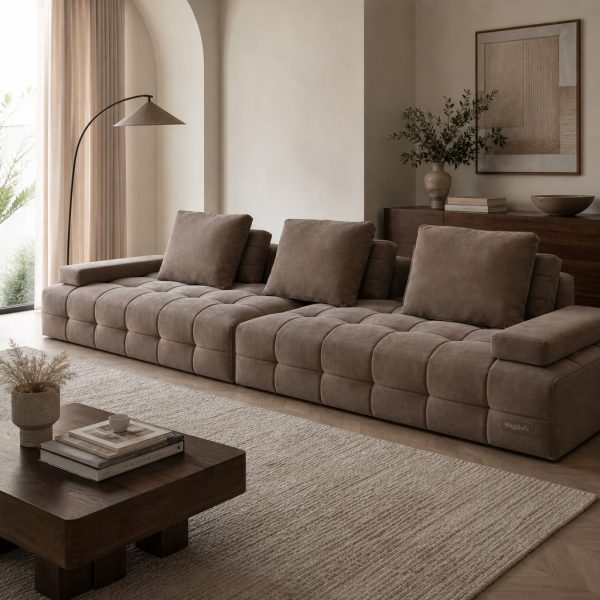
One good reference is the YS028 compressed sofa sectional. Its published product and packing data show why compressed programs can reduce shipping cost:
- model number: YS028
- upholstery: fabric with sponge filling
- seat foam: D35
- packaging dimensions: 55 x 55 x 112 cm
- gross weight: 69 kg
- packaging method: vacuum-compressed roll-pack with reinforced outer carton
- CBM reduction: about 60% compared with assembled sofas
- loading gain: up to 2.5x more units per 40HQ
- rebound target: at least 95% within 72 hours
- warranty: 3 years
Those values matter more than a broad price quote because they translate directly into container efficiency. If a buyer can load up to 2.5 times more units in the same 40HQ, the per-unit freight structure changes in a measurable way.
Does the same rule apply to sleeper models
Not automatically. A compressed sofa bed such as LS1016 has different packing logic from a lounge sectional, so import buyers should check a second data set:
- product size: 200 x 85 x 70 cm
- lying-flat size: 200 x 215 x 70 cm
- packing size: 112 x 34 x 35 cm
- material: checked velvet fabric
- gross weight: 29.5 kg
- carton quantity: 1 piece per carton
- CBM per carton: 0.133
- estimated 40HQ capacity: 503 units
- MOQ: 500 units
- lead time: about 45 days
This is why freight-saving claims have to be model-specific. A sleeper unit may save space very well, but the buyer still has to confirm whether the flat-bed function, carton count, and lead time fit the project plan.
How materials affect the real shipping result
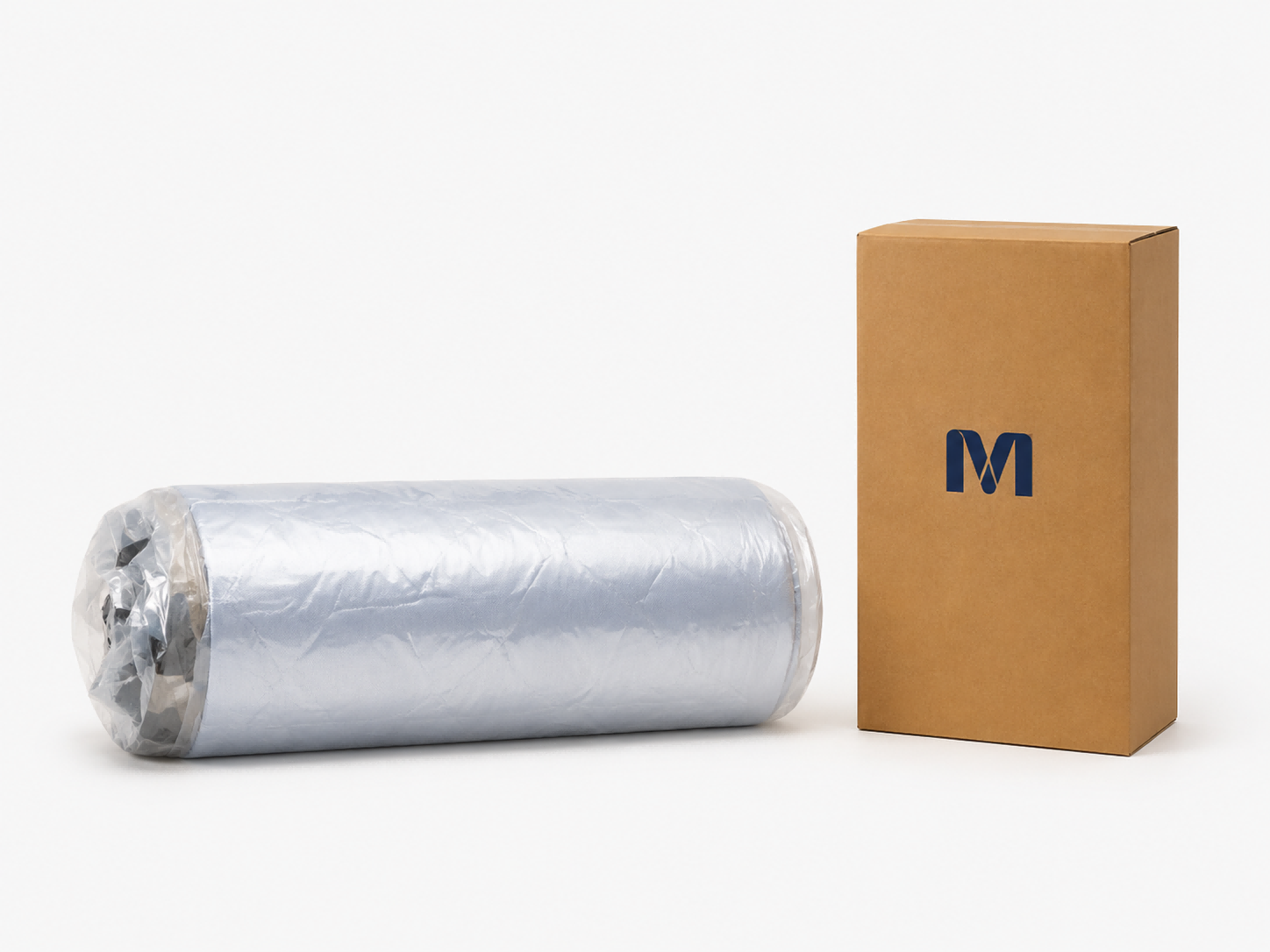
Freight savings are useful only if the product still performs after unpacking. The vacuum pack shipping model helps answer that concern because it combines material and packing logic in one offer:
- upholstered fabric cover
- high-density foam support
- vacuum-compressed roll-pack method
- about 60% CBM reduction
- up to 2.5x more units per 40HQ
- at least 95% rebound within 72 hours
Import buyers should review material and rebound together, not as separate topics. A cheaper foam or weaker outer carton can erase the freight advantage if the sofa shape does not recover correctly after transport.
What factory support buyers should ask about
Shipping savings are not only about the product. The OEM and ODM page matters because many orders need custom carton markings, fabric changes, barcode labels, or mixed-model export planning. Before approving a supplier, buyers should confirm:
- whether carton labels and inserts can be customized
- whether mixed-container planning is supported
- which size changes are safe without harming compression results
- how the factory handles sampling and mass-production approvals
- how rebound checks are documented before shipment
This is a factory capability question, but it affects freight cost directly. Poor coordination at the factory level can create wasted space, split shipments, or carton problems at destination.
What loading checks should happen before deposit
The container loading page should be used like a procurement checklist, not a marketing extra. Before deposit payment, the sourcing team should verify:
- final carton dimensions for each approved SKU
- gross weight per carton for unloading and warehouse handling
- how many mixed units fit per 20GP or 40HQ
- whether cartons need pallet or floor-loading treatment
- rebound timing after unpacking on site
For U.S.-market programs, buyers should also keep CPSC guidance in mind during compliance review while the final material and packaging specification is locked.
So do compressed sofas really cut shipping costs
Yes, when the buyer confirms real data instead of relying on a slogan. A compressed sofa can reduce freight cost because it uses less shipping volume, improves container efficiency, and can simplify handling. But the savings only hold when the project also checks product parameters, packing size, material quality, factory support, and loading execution.
The best purchasing sequence is simple:
- compare live models from the compressed sofa collection
- verify sectional, sleeper, and vacuum-pack options side by side
- confirm carton dimensions, gross weight, and rebound targets
- review factory support and loading planning before deposit
- finalize questions through the contact page
Conclusion
Compressed sofas really can cut shipping costs for import buyers, but only when the savings are supported by real carton sizes, CBM reduction, rebound performance, and factory-side loading support. Buyers who compare the YS028 sectional, the LS1016 folding sofa bed, and the vacuum pack shipping model with the container-loading support page will get a much clearer answer than buyers who only compare list price. For quotation support, OEM / ODM requests, and export packing review, contact MagiSofa.